
“Begin Where You Want to End: Designing with Purpose”
- Oct 30, 2025
- 2 min read
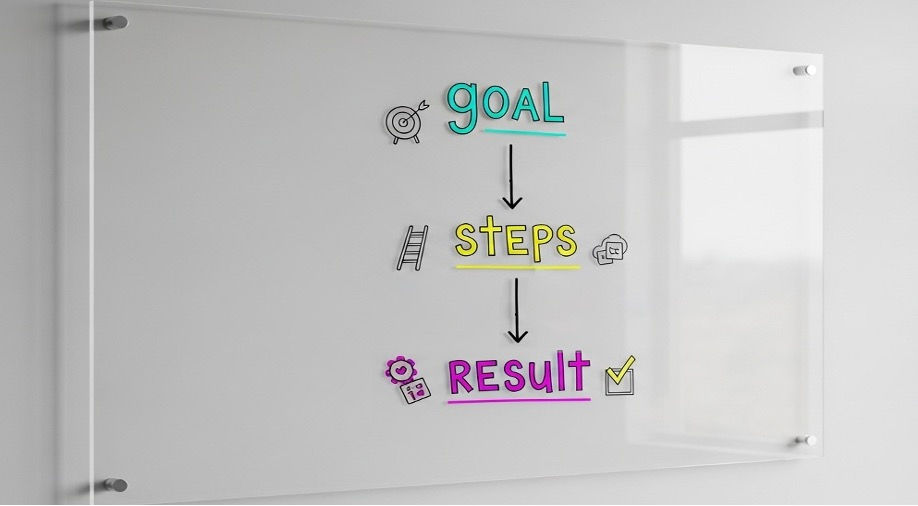
The idea of “designing with the end in mind” is about absolute clarity. It means starting any project by knowing the outcome you want and aligning every step to achieve it (without any unnecessary work). When applied to research planning, it ensures that data collection and analysis serve your “end point”.

This is the first definition we’re after when developing a research plan. If the goal is to identify which marketing channel drives the highest conversion for a service, then every part of the plan should point toward that answer or that “end point”. Once this is clear, I will outline the milestones that lead me there. This includes everything from what data to collect, which audiences to study, and what tools to use. This structured methodology prevents distractions that don’t contribute to the goal.
As the research unfolds, I check whether the findings are helping move closer to the intended outcome. This keeps analysis focused and makes the final report more meaningful. Instead of listing findings, it becomes a guide for making stronger marketing decisions.
Here’s an example: If the goal is to increase internet sign-ups in an area, a useful step would be to have an activation event e.g. “ENet Pop-up in Charity” in a high traffic location. Another goal would be to understand what message or incentive would motivate customers in that community to act. This definition will shape everything from the tone of the visuals, the layout of the booth, even the call to action. By knowing the end point, we could measure our progress instead of hosting an activity for the sake of it.

This transcends other parts of my work. When planning a marketing campaign, the desired result must be defined before any creative or media decisions are made. That clarity helps the team build ideas and choose channels that support the same objective. In product development, identifying the kind of user experience we want guides how features are designed and tested. Even when managing a multi-disciplinary team, it’s important to paint a clear picture so everyone understands how their work contributes to the big picture.
So, if you had to design with the end in mind, where would you start?
Read my previous article: “The Question Before the Question: Why Great Marketing Starts with Curiosity”

Comments